
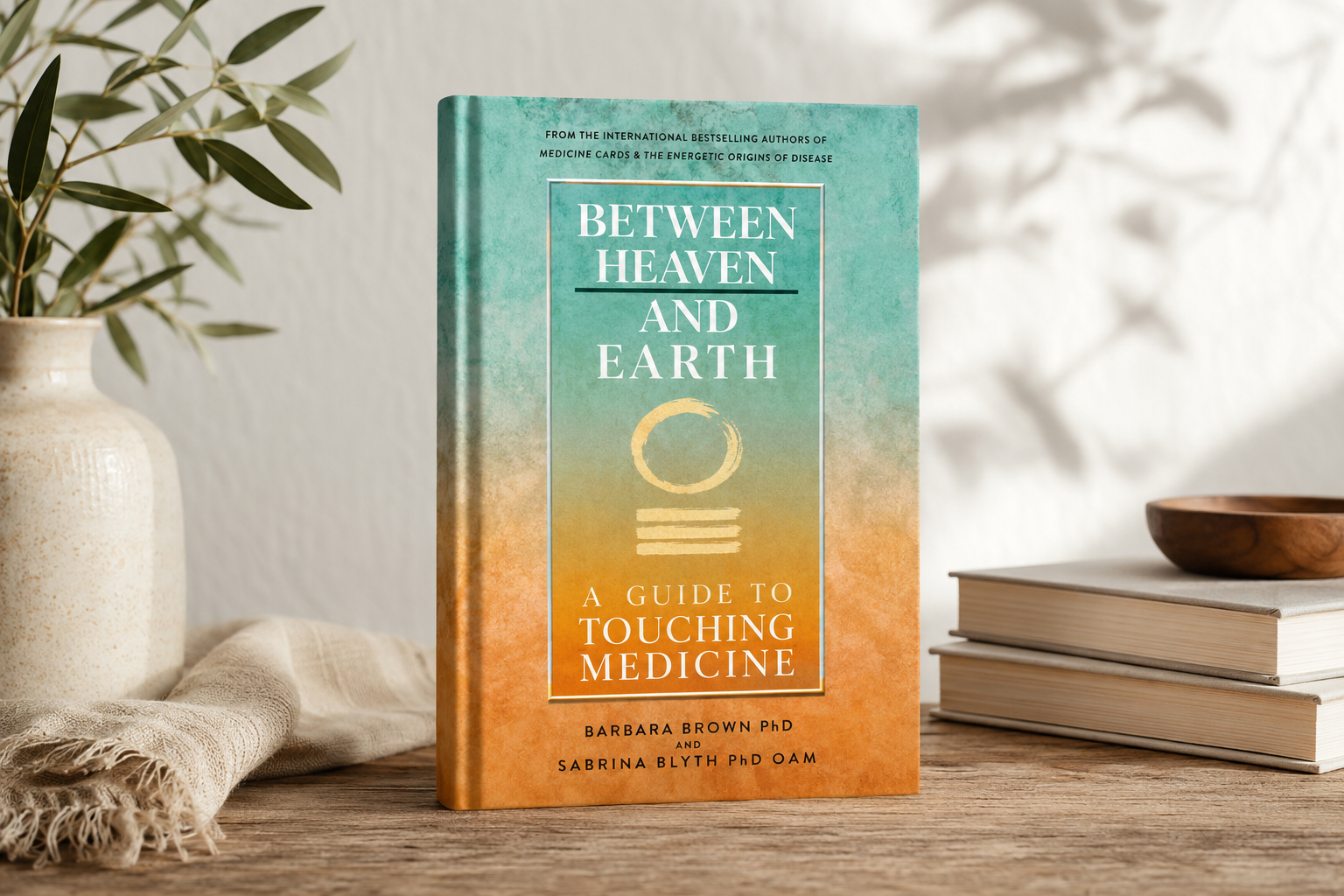
There’s a moment many people reach after cancer treatment where conventional medicine has done its job—but you’re still searching for something. A framework that sees you not as a set of broken parts to be fixed, but as a whole person needing care and balance. That’s when Between Heaven and Earth by Harriet Beinfield and Efrem Korngold often finds its way into cancer survivors’ hands looking to understand integrative cancer care.
This 1991 classic opened Western doors to Traditional Chinese Medicine in a way that felt revolutionary: accessible, poetic, and deeply practical. For anyone living with or beyond cancer, it offers a radically different way of thinking about healing.
The Physician-Gardener: A Metaphor That Changes Everything
At the heart of the book lies a single, powerful idea: the difference between two types of doctors.
The mechanic fixes broken parts. You report a symptom. The mechanic identifies what’s wrong and applies a protocol. This approach is essential in acute crisis and emergency care—and it saved many of your lives during cancer treatment.
But the gardener works differently. Instead of fixing individual broken parts, she tends the entire ecosystem. She notices how the soil is depleted. She watches the internal weather—the emotional storms, the seasons of fatigue, the dry spells of motivation. Anxiety, bloating, insomnia, and low energy aren’t separate complaints. They’re all messages from the same garden.
For cancer survivors seeking holistic cancer support, this shift in perspective can be transformative. It’s the difference between asking “What symptom should we suppress?” and asking “What does my whole self need to come back into balance?”
How the Book Applies to Life After Cancer
Beinfield and Korngold introduce five fundamental archetypes: the Pioneer, the Wizard, the Peacemaker, the Alchemist, and the Philosopher. Each has its own constitutional strengths and vulnerabilities. Rather than treating everyone’s fatigue the same way, the gardener approach asks: Who are you? What does your specific system need?
This is especially relevant for integrative cancer care. Two survivors with identical diagnoses may need entirely different approaches to rebuilding strength. One needs warmth and nourishment. Another needs movement and grounding. The gardener model honours that reality.
The book also demystifies core Chinese Medicine concepts—Qi, Yin and Yang, the significance of “internal climate.” You learn how warming herbs, nourishing foods, and intentional rest aren’t mystical. They’re deeply practical tools for tending your own recovery.
What Makes This Book Different
You’ll notice immediately: this isn’t a clinical textbook. It’s a bridge. Beinfield and Korngold chose accessibility without sacrificing depth. They blended poetry with rigour.
The book earned endorsement from leaders in integrative medicine. It remains a required text in naturopathic and Chinese medicine training colleges worldwide.
More importantly for cancer survivors: it treats you as a person first, not a diagnosis. The entire framework is built on one premise: you’re not broken. You’re out of balance. And balance is something you can influence.
Borrow This Book From CanSurvive
Good news: you don’t need to buy a copy. Between Heaven and Earth is part of CanSurvive’s lending library. It’s available free to all members.
Whether you’re exploring integrative cancer care for the first time or deepening your understanding of how Eastern and Western healing can work together, the book is waiting for you. Visit CanSurvive to browse the full library.
Membership is just $45 per year. It includes access to support groups, educational sessions, lending library books, and a community of people who understand the journey.
The Gardener’s Permission
At its core, Between Heaven and Earth gives survivors permission. Stop thinking like patients. Start thinking like gardeners of your own lives.
You’re not trying to be “fixed.” You’re tending to yourself—slowly, seasonally, with patience and attention. If that resonates with how you want to move forward after cancer, this book might be exactly what you’ve been looking for.
Ready to borrow? Contact CanSurvive at 07 5315 8371 or visit our website to join. Members enjoy free access to books, workshops, support groups, and our full range of integrative cancer care resources.