
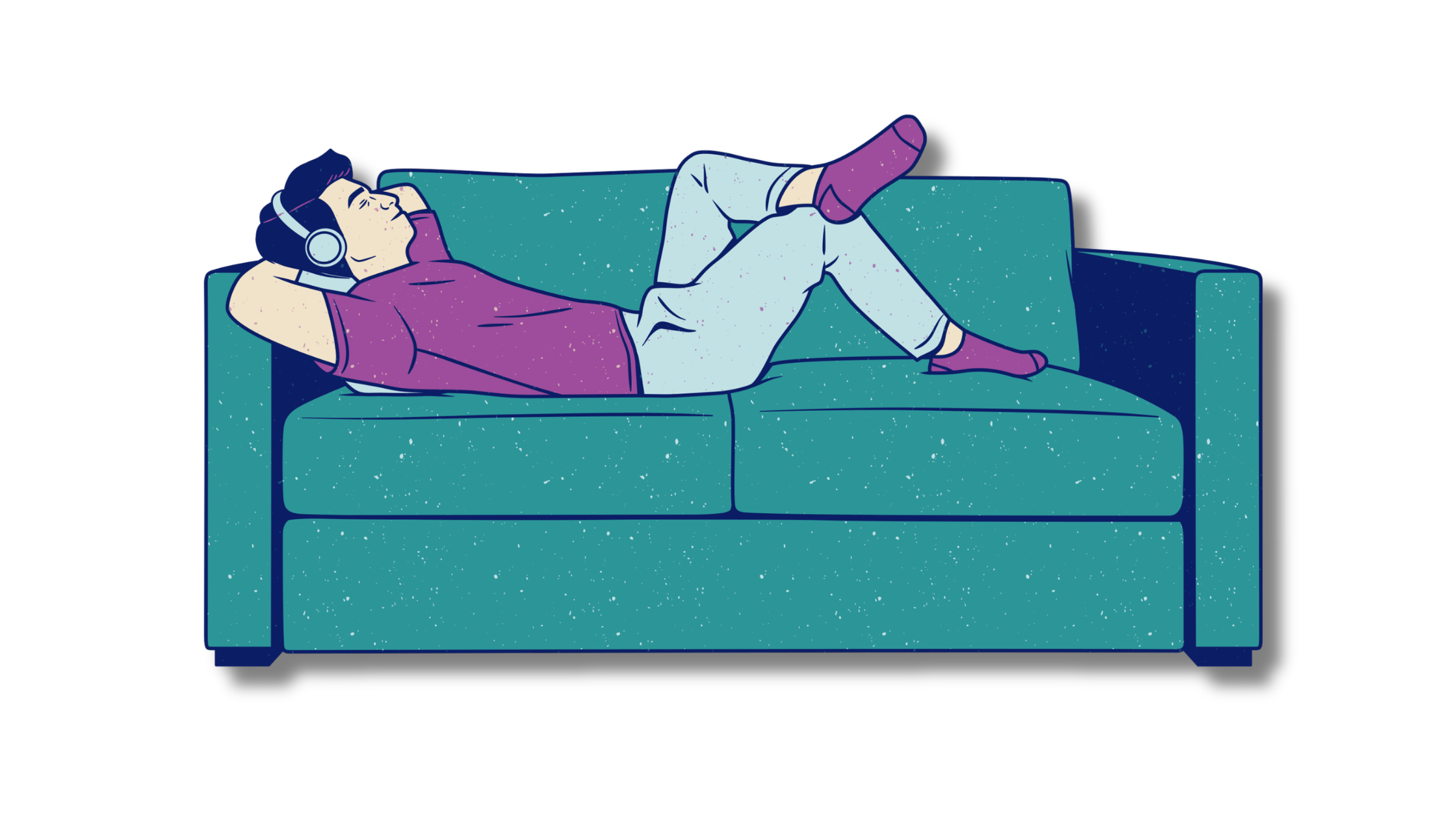
Most of us experience sound through our ears. But there is another way to receive it — through the body itself. Vibroacoustic therapy delivers therapeutic sound frequencies as physical vibrations felt throughout the entire body, creating an experience that goes far deeper than listening alone.
For people affected by cancer, this distinction matters. The physical and emotional weight of a cancer diagnosis — the anxiety, the fatigue, the disrupted sleep, the stress that lives in the body long after treatment ends — responds to more than words or music alone. Vibroacoustic therapy works at a level most therapies cannot reach: directly through the nervous system, the muscles, the cells, and the water that makes up most of who we are.
At CanSurvive Australia on the Sunshine Coast, our VibroSound bed offers this experience as one of our carefully selected complementary therapies for people affected by cancer — patients, survivors, and carers alike.
What is vibroacoustic therapy and how does it work?
Vibroacoustic therapy is a sound-based therapy that uses low-frequency vibrations — primarily between 30 Hz and 120 Hz — delivered through a specially designed bed embedded with tactile transducers. These transducers convert therapeutic sound frequencies into physical vibrations that travel through the body, engaging muscles, organs, bones, and even the water within our cells.
Unlike a standard sound bath or music therapy experience, vibroacoustic therapy is felt as much as it is heard. The vibrations work alongside audio delivered through headphones, creating an immersive dual experience — sound entering through both the ears and the body simultaneously.
The therapy works by engaging the vagus nerve — the primary pathway of the body’s parasympathetic nervous system — triggering what is known as the relaxation response. This is the physiological state in which the body shifts out of stress mode and into the conditions it needs to rest, repair, and restore.
The frequencies used are carefully selected for different therapeutic purposes. Solfeggio frequencies, 432 Hz tuning, and a range of other specifically composed sound frequencies are used to support different goals — from stress relief and emotional balance to sleep support and pain management.
What does the research say?
The use of sound in cancer care is a growing area of research, and the evidence is increasingly encouraging.
A peer-reviewed study published in Palliative Medicine Reports in 2025 (Shimotsuura et al.), conducted at Japan’s National Cancer Center, found that natural sound therapy significantly enhanced feelings of healing, reduced symptoms including anxiety, tiredness, and shortness of breath, and improved sleep satisfaction in cancer patients.
A randomised controlled trial published in Supportive Care in Cancer examined the effects of a sound bed music intervention specifically in cancer patients, finding that subjective wellbeing increased significantly following the intervention. Patients reported improvements in mood and a reduction in pain.
A further study published in BMC Complementary Medicine and Therapies (2025) found that sound interventions tuned to specific frequencies produced significant improvements in emotional wellbeing and reductions in fatigue, anxiety, and stress in cancer patients.
While research in vibroacoustic therapy specifically is still emerging, the broader body of evidence for sound-based therapies in cancer care is consistent: reduced anxiety, improved sleep, reduced fatigue, and improved quality of life are the outcomes that appear most reliably across studies.
What does a vibroacoustic therapy session at CanSurvive look like?
A session with our VibroSound bed at CanSurvive is a private, supported experience designed to give you something rare in the cancer journey — uninterrupted time that belongs entirely to you.
You are welcomed into a quiet, darkened room and settled comfortably on the VibroSound bed. The appropriate sound frequency programme is selected for your session — chosen based on what you are hoping to support, whether that is deep relaxation, anxiety relief, sleep, or emotional restoration. You are fitted with headphones, and the session begins.
From that point, the door is closed and the space is yours. The vibrations move through the bed and into your body as the sound plays through your headphones — a dual experience that most people describe as deeply settling, unlike anything they have encountered before.
There is nothing you need to do. No breath work, no movement, no particular mental effort. The therapy works through the body’s own response to sound and vibration. Many people fall into a state of deep rest within minutes.
Who is vibroacoustic therapy for?
At CanSurvive, our VibroSound bed is available to anyone affected by cancer — not just those currently in treatment.
It may be particularly supportive for people experiencing:
- Anxiety and stress related to diagnosis, treatment, or recovery
- Disrupted sleep or insomnia
- Fatigue during or after treatment
- Chronic pain or physical tension
- Emotional distress or a sense of being overwhelmed
- The need for a space that is just for them — separate from the demands of illness or caring
Carers are equally welcome. The physical and emotional toll of supporting someone through cancer is significant, and the VibroSound bed offers carers the same opportunity for deep rest and restoration that it offers patients and survivors.
An important note before you begin
Vibroacoustic therapy is a complementary therapy — it works alongside conventional cancer treatment, not in place of it. It is not a treatment for cancer itself, and it does not replace medical advice or care from your oncology team.
As with all complementary therapies, we recommend speaking with your healthcare team before beginning vibroacoustic therapy, particularly if you are currently undergoing active treatment. Your safety and comfort are our first priority.
If you would like to find out more or book a session, we would love to hear from you. 💚
Sources:
Shimotsuura, Y. et al. (2025). Effects of high-resolution natural sound with inaudible high-frequency components on healing, symptoms, and sleep satisfaction in terminally ill cancer patients. Palliative Medicine Reports, 6(1), 53–60.
Stegemann, T. et al. (2018). Feeling the sound — short-term effect of a vibroacoustic music intervention on well-being and subjectively assessed warmth distribution in cancer patients. Supportive Care in Cancer.
Cramer, H. et al. (2025). Differential effects of sound interventions tuned to 432 Hz or 443 Hz on cardiovascular parameters in cancer patients: a randomized cross-over trial. BMC Complementary Medicine and Therapies.
VibroSound Australia. Vibroacoustic therapy — FAQ. Retrieved from vibrosound.com.au
📌 This content is for educational purposes only and is not a substitute for medical advice. Please consult your healthcare team for guidance specific to your situation.